Austria's Digital Shift: How No-Deposit Incentives Influence Retention Rates Among Online Platform Users
Amir Albrecht · Sep 18, 2026
Austria's Digital Shift: How No-Deposit Incentives Influence Retention Rates Among Online Platform Users
The Landscape of Austria's Digital Transformation
Austria continues its steady move toward widespread digital adoption across multiple sectors, with government initiatives and private platforms driving increased online engagement since the early 2020s, and data from the European Commission indicates that digital service usage grew by over 35 percent between 2020 and 2025 while no-deposit incentives emerged as a key tactic for platforms seeking to maintain user bases amid rising competition. These incentives allow users to access services without an initial financial commitment, and researchers tracking platform metrics have noted that such offers often lead to higher initial sign-ups followed by varied retention patterns depending on how well platforms integrate them into ongoing user experiences. Observers note that platforms in finance, entertainment, and e-commerce have adopted these strategies at different rates, with September 2026 marking a point where updated EU digital regulations are expected to require clearer disclosure of incentive terms across member states including Austria.
Defining No-Deposit Incentives in Online Contexts
No-deposit incentives function as entry points that grant users immediate access to platform features or credits, and studies from academic institutions across the EU show these mechanisms operate differently than traditional deposit-based promotions because they reduce the barrier to first interaction. In Austria, platforms must navigate both national consumer protection rules and broader EU guidelines, which means incentive structures often include time-limited access periods or usage caps that influence how long users remain active. Those who have analyzed user behavior data find that retention improves when incentives connect directly to core platform functions rather than operating as isolated trials, because seamless transitions encourage repeat visits without additional prompts. What's interesting is that platforms combining these offers with personalized onboarding sequences report steadier engagement curves according to industry reports compiled by research organizations in multiple European countries.
Retention Metrics and User Behavior Patterns
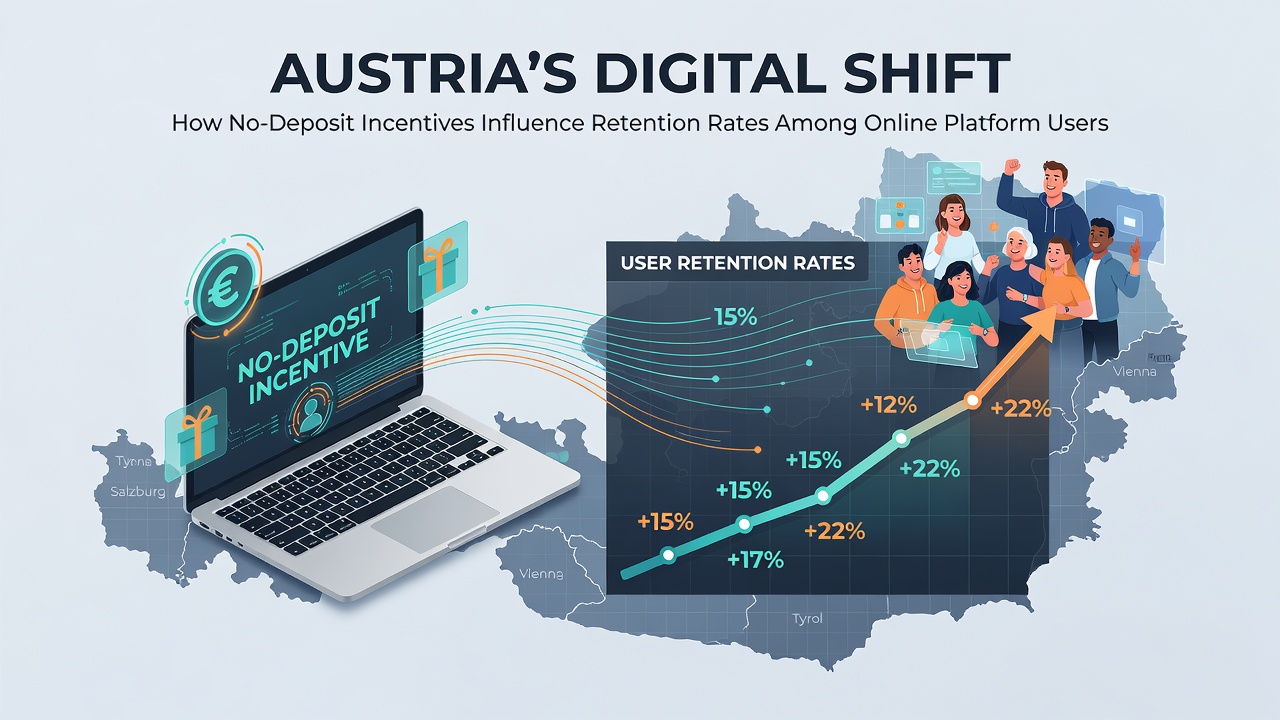
Retention rates on Austrian online platforms have shown measurable shifts when no-deposit incentives enter the picture, with figures from platform analytics providers revealing that users acquired through such offers maintain activity for an average of 14 to 21 days longer than those entering via standard registration paths. Researchers at institutions like the Vienna University of Economics and Business have examined datasets from several sectors and discovered that retention correlates strongly with how quickly users convert incentive-based access into habitual use, while platforms that fail to provide clear progression paths see drop-off rates climb after the initial incentive period ends. And data indicates that September 2026 projections suggest further refinement of these patterns once new transparency requirements take effect, because users will receive more standardized information about incentive conditions before committing time or attention.

Platform Strategies Across Different Sectors
Financial technology platforms in Austria have tested no-deposit incentives to attract users to digital banking tools, and case examples show that offering initial credit lines or fee waivers leads to sustained account activity when paired with educational resources about platform features. Entertainment platforms meanwhile apply similar offers to content libraries or interactive services, with evidence from cross-border studies indicating that retention climbs when incentives align with user preferences identified through early interaction data. Those who've studied these approaches point out that platforms succeeding in retention often segment their user groups early, tailoring follow-up communications and feature recommendations based on how individuals first engaged with the no-deposit offer. But here's the thing: platforms that treat all incentive users identically tend to experience flatter retention curves, according to aggregated reports from digital economy research groups operating in the EU and beyond.
Regulatory Environment and Its Influence
Austria operates within the EU digital single market framework, which shapes how platforms can structure and promote no-deposit incentives, and government agencies track compliance through periodic reviews that emphasize user clarity and fair access. External analyses from organizations such as the European Commission's digital strategy division highlight that consistent regulatory updates encourage platforms to refine incentive designs in ways that support longer-term user relationships rather than one-time acquisitions. In September 2026, anticipated adjustments to these frameworks are projected to emphasize measurable outcomes like retention transparency, giving platforms additional data points to optimize their approaches while meeting disclosure standards. Experts tracking these developments observe that platforms already preparing for the changes have begun experimenting with incentive models that include built-in progress tracking visible to both users and regulators.
Comparative Data from Broader Markets
Looking beyond Austria, similar incentive strategies appear in digital markets across Canada and Australia where retention studies conducted by independent research bodies show comparable patterns of extended user lifespans when incentives lead smoothly into paid or premium tiers. These international examples provide context for Austrian platforms, because they demonstrate how local regulatory nuances affect the success of no-deposit offers without altering the core mechanism of reducing entry barriers. Data compiled by academic teams at institutions in different regions suggests that cultural attitudes toward digital trust also play a role, with Austrian users responding particularly well to incentives that emphasize security features and data protection alongside access benefits. What's significant is that platforms adapting these insights locally have recorded incremental gains in monthly active user counts over multi-quarter periods.
Conclusion
The interplay between Austria's digital evolution and no-deposit incentives continues to shape retention outcomes across online platforms, with available metrics and regulatory developments pointing toward increasingly sophisticated approaches by September 2026 and beyond. Platforms that align incentive structures with user progression and regulatory expectations show stronger retention indicators according to multiple data sources, while those that overlook integration details encounter higher churn after initial access periods. Continued observation of these trends will provide further clarity on effective practices as the digital landscape matures.