Austria's Virtual Gaming Ecosystem: Tracing How Initial Credit Thresholds Shape Long-Term User Pathways in Regional Platforms
Elena Simon · Oct 30, 2026
Austria's Virtual Gaming Ecosystem: Tracing How Initial Credit Thresholds Shape Long-Term User Pathways in Regional Platforms
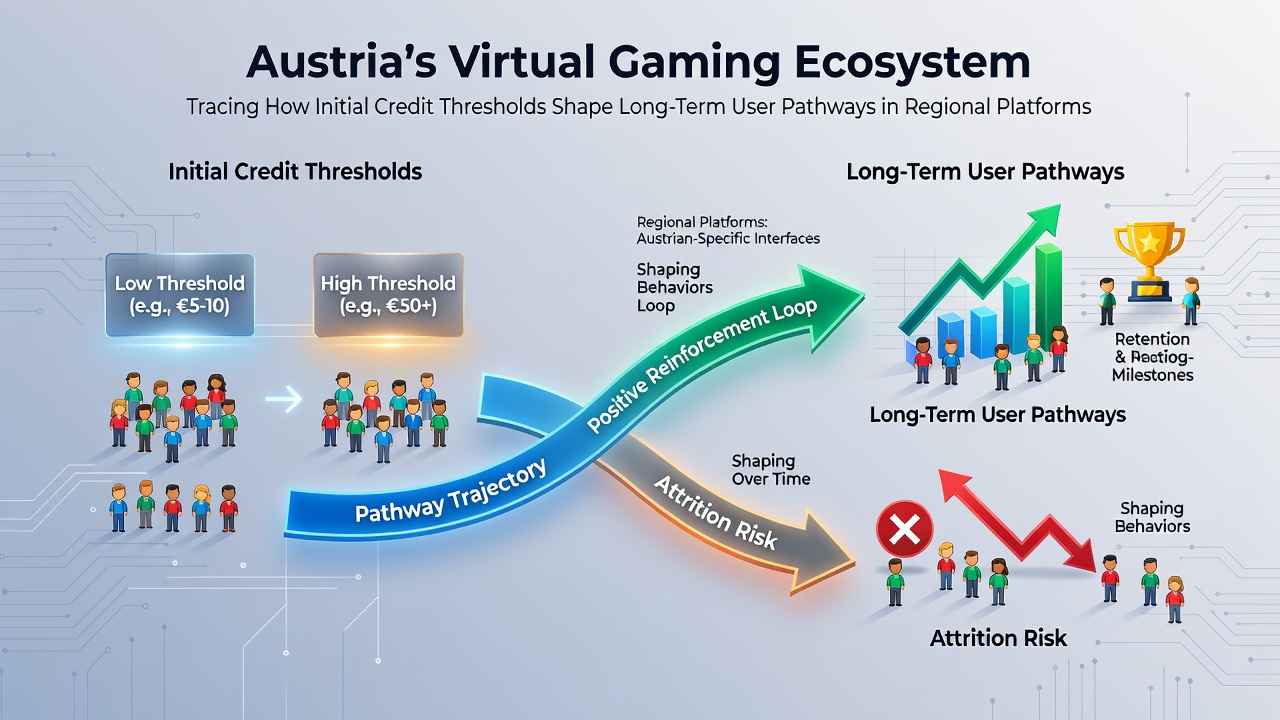
Initial credit thresholds in Austria's virtual gaming platforms set the starting deposit amounts or bonus entry points that determine how new users access services, and these thresholds connect directly to retention patterns, spending trajectories, and engagement levels over extended periods. Regional platforms operating under Austria's regulatory framework apply varying minimum deposit requirements that range from 10 euros to 50 euros depending on the operator and game category, while data from platform analytics indicate that users entering at lower thresholds tend to follow different activity paths compared to those starting at higher levels.
Defining Credit Thresholds Across Austrian Platforms
Operators structure credit thresholds as minimum deposit requirements that unlock account functionality, and these thresholds often align with bonus eligibility rules where a 20 euro deposit might activate a standard welcome package whereas a 10 euro entry limits options to basic play without promotional credits. Research from European gaming associations shows that platforms in Vienna, Graz, and Salzburg apply these structures consistently, yet regional differences emerge because smaller operators in rural areas adjust thresholds downward to attract local users while larger urban platforms maintain higher bars to filter for committed participants.
Thresholds influence immediate user decisions because lower entry points reduce barriers for first-time access, and users who begin with minimal credits frequently explore multiple game types before committing larger amounts. Figures from industry reports reveal that platforms enforcing 15 euro minimums record higher initial registration volumes, whereas those with 30 euro requirements see slower onboarding but steadier follow-up deposits in subsequent weeks.
User Pathways and Retention Dynamics
Long-term pathways diverge based on entry thresholds because users starting below 20 euros demonstrate extended trial periods that last several months before escalating activity, while those entering above 30 euros often transition quickly to regular play patterns within the first 30 days. Platform data collected through 2025 and into October 2026 indicate that retention rates stabilize when initial thresholds match user spending capacity, and mismatches lead to early drop-off where accounts become inactive after two or three sessions.
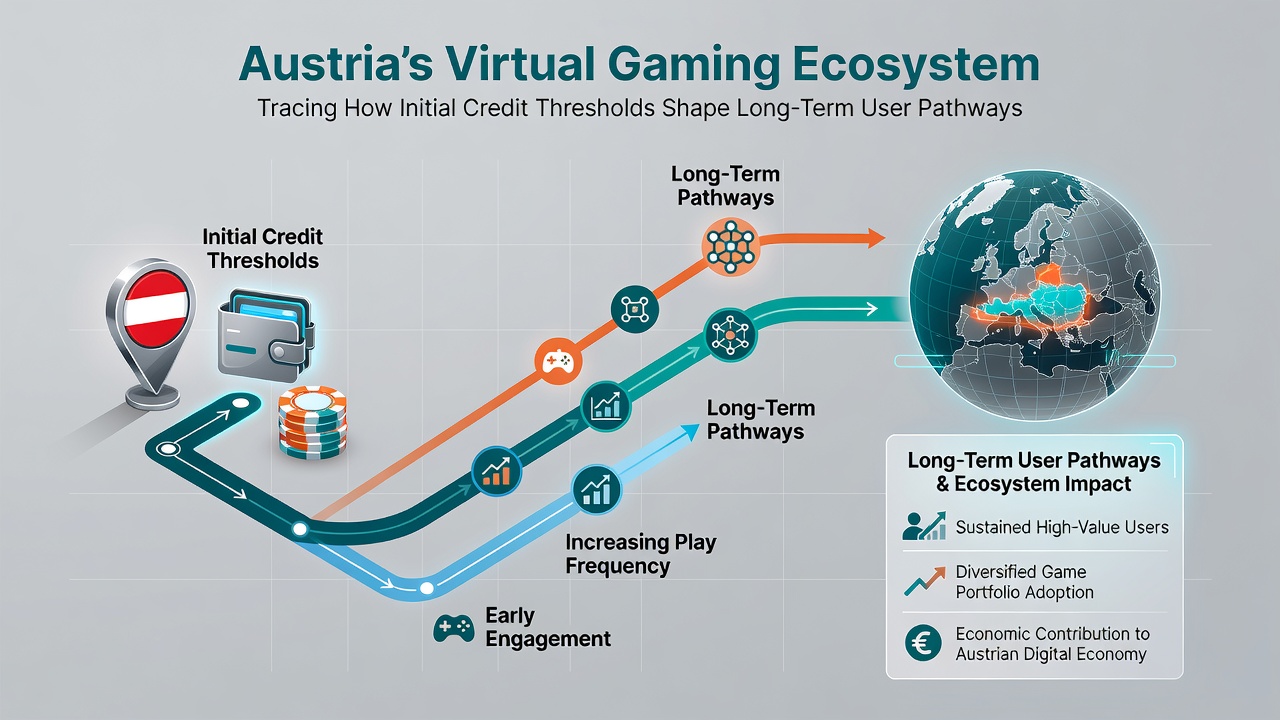
Analysts tracking these patterns note that credit thresholds shape spending trajectories as well, since low-threshold entrants gradually increase deposits over time whereas high-threshold users maintain consistent levels from the outset. One study conducted by researchers at the University of Innsbruck tracked cohorts over 18 months and found correlations between entry points and lifetime value metrics, with lower thresholds linking to broader exploration across bingo, slots, and table games before users settle on preferences.
Regional Platform Variations and Regulatory Context
Austria's regional platforms operate under national licensing that sets baseline rules for credit handling, yet local operators adapt thresholds to match demographic profiles in each province, and this adaptation creates distinct ecosystems where Tyrol platforms emphasize higher thresholds for alpine tourism users while Lower Austria sites favor accessible entries for domestic audiences. External analysis from the European Gaming Association highlights how these adaptations affect cross-regional user migration, with some participants moving between platforms to optimize their starting credit conditions.
Regulatory updates effective through October 2026 require transparent disclosure of threshold policies, and compliance has led operators to standardize information on deposit pages so users understand entry requirements before registration. Data from the Austrian Federal Ministry of Finance shows that platforms meeting these disclosure standards experience fewer account disputes related to bonus eligibility, and this clarity supports steadier user pathways across the ecosystem.
Long-Term Impacts on Engagement and Behavior
Evidence from longitudinal platform studies demonstrates that initial credit thresholds continue influencing user behavior well beyond the first quarter, because early deposit patterns establish habits that persist through loyalty program participation and seasonal promotions. Users entering at moderate thresholds around 25 euros often achieve balanced engagement that combines regular play with controlled spending, whereas extreme thresholds at either end correlate with higher variance in activity levels over 12-month periods.
Industry observers tracking October 2026 metrics report that platforms refining thresholds based on user feedback see improved pathway stability, and adjustments such as tiered entry options allow new registrants to select levels that align with their intended commitment. These refinements connect to broader trends where regional operators integrate threshold data with behavioral analytics to predict churn risks and intervene with targeted offers.
Conclusion
Initial credit thresholds in Austria's virtual gaming ecosystem function as foundational elements that direct user pathways from entry through sustained engagement, and the connections between these thresholds and long-term outcomes appear consistently across regional platforms. Platform operators continue monitoring these dynamics through ongoing data collection, while regulatory frameworks maintain oversight that supports transparent practices as the market evolves into late 2026 and beyond.