Decoding Entry-Level Perks Across Austria's Virtual Gaming Market Dynamics
Harper Albrecht · Oct 16, 2026
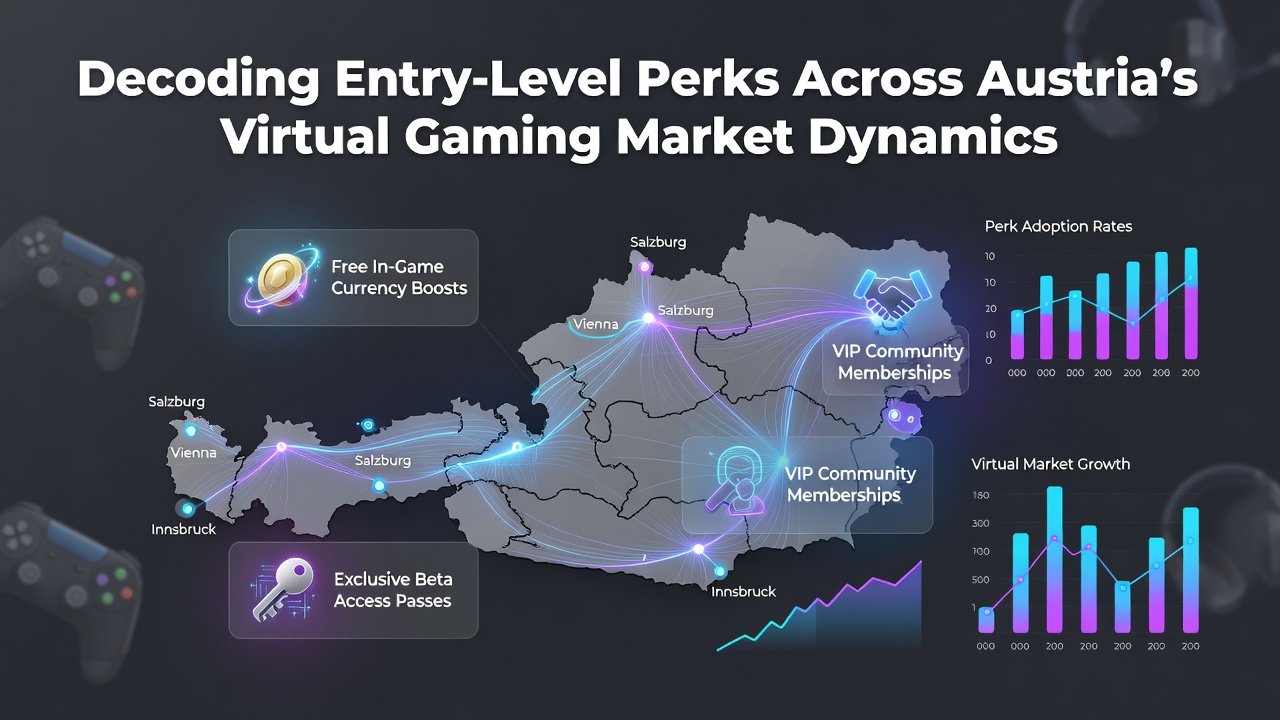
Decoding Entry-Level Perks Across Austria's Virtual Gaming Market Dynamics
Entry-level perks in Austria's virtual gaming sector encompass structured welcome packages, deposit match offers, and initial loyalty tier activations that platforms deploy to onboard new users amid evolving market conditions, and these elements shape how operators compete while complying with national licensing requirements that took clearer form after the 2021 Gambling Act updates. Data from industry reports indicate that such perks often combine matched deposits ranging from 50 to 200 percent on first transactions with capped free play credits, yet operators differentiate them through wagering multipliers that typically settle between 20x and 40x according to platform-specific terms published in October 2026 regulatory filings.
Market Structure and Player Entry Patterns
Austria's online gaming landscape operates under a state-monopoly framework for certain verticals while private operators secure licenses for others through the Federal Ministry of Finance oversight, and this dual system influences how entry-level incentives reach domestic users who must verify age and residency before accessing any promotional credits. Figures from the Austrian Lotteries and Gaming Association reveal steady growth in registered accounts since 2023, with new user inflows accelerating during seasonal campaigns that align deposit perks with major sporting events or digital tournaments. Observers note that platforms tailor these offers to regional preferences, incorporating language support in German and English alongside payment integrations that favor local bank transfers and e-wallets popular among Austrian residents.
Regulatory Influences on Perk Design
National rules cap bonus values and mandate clear disclosure of terms, which forces operators to present entry-level perks in standardized formats that list maximum cashout limits and game eligibility lists right at the registration stage, and this transparency requirement stems from consumer protection amendments effective through 2025. European Commission guidelines on cross-border digital services further encourage consistent advertising standards across member states, prompting Austrian platforms to align their welcome mechanics with broader EU consumer directives rather than isolated national practices. Research from the Vienna University of Economics and Business highlights how these constraints channel competition toward value-added features such as extended validity periods for bonus credits and tiered unlock systems that reward consistent play over the first thirty days.
Comparative Perk Models Across Platforms
Operators in the market deploy varied entry structures that range from straightforward deposit matches to hybrid models blending cashback on initial losses with milestone rewards, while data compiled by the European Gaming and Betting Association shows that average first-deposit incentives in Austria sit around 100 euros in matched funds when adjusted for typical wagering thresholds. Platforms licensed for virtual slot and table games often emphasize game-specific free rounds within welcome bundles, whereas those focused on sports betting integrate risk-free bet credits that convert to real stakes only after qualifying wagers clear. Those who've tracked user behavior across multiple sites observe that successful onboarding correlates with perks that include low minimum deposit thresholds starting at 10 euros, enabling broader access without immediate high commitment.

What's interesting is how operators adjust these models seasonally, introducing limited-time enhancements during October 2026 that coincide with expanded digital infrastructure investments and new device compatibility rollouts across mobile networks. Such adjustments maintain compliance while responding to shifting player demographics that include higher participation from users aged 25 to 40 who favor instant-play interfaces and instant withdrawal options tied to verified accounts.
Technological and Economic Drivers
Advancements in secure verification systems and real-time analytics allow platforms to personalize entry perks based on preliminary user data collected during signup, and this capability stems from integrations with third-party identity services approved under Austrian data protection statutes. Economic indicators from national statistics offices point to increased disposable income allocation toward digital entertainment, which in turn supports higher average deposit values that operators leverage when calibrating match percentages in welcome offers. Yet regulatory caps prevent unchecked escalation, maintaining a balanced environment where entry perks serve acquisition rather than long-term retention alone.
Emerging Patterns Through Late 2026
Projections released in industry briefings anticipate further refinement of entry-level mechanics as new licensing rounds approach in 2027, with emphasis on responsible gaming tools embedded directly into perk activation flows such as mandatory spending trackers and session reminders. Data shows that platforms incorporating these features report sustained engagement levels from initial cohorts, suggesting structural alignment between promotional design and player safeguards. Observers tracking cross-market comparisons find Austria's approach distinct from neighboring jurisdictions due to its centralized licensing emphasis, which standardizes minimum terms for all permitted operators and reduces variability in how new users encounter first-contact incentives.
Conclusion
Entry-level perks across Austria's virtual gaming market reflect a regulated ecosystem where operators balance competitive acquisition tactics with strict compliance mandates, and ongoing developments through October 2026 continue to shape how these incentives evolve in response to technological, economic, and policy shifts. Comprehensive data collection by oversight bodies and academic institutions provides the foundation for understanding these dynamics without reliance on isolated platform narratives.